Get to know how an Aluminum Casting Company helps deliver quality at scale
Wiki Article
The Significance of Aluminum Spreading in High-Quality Production Techniques
Light weight aluminum spreading has actually become a foundation in top notch manufacturing techniques. Its light-weight residential properties and phenomenal strength make it a recommended choice for numerous sectors. Producers take advantage of its design adaptability and minimal waste generation. As the need for innovative materials expands, comprehending the nuances of aluminum spreading becomes vital. This expedition discloses not just its benefits however also the evolving innovations that form its future in manufacturing. What exists ahead for this ingenious procedure?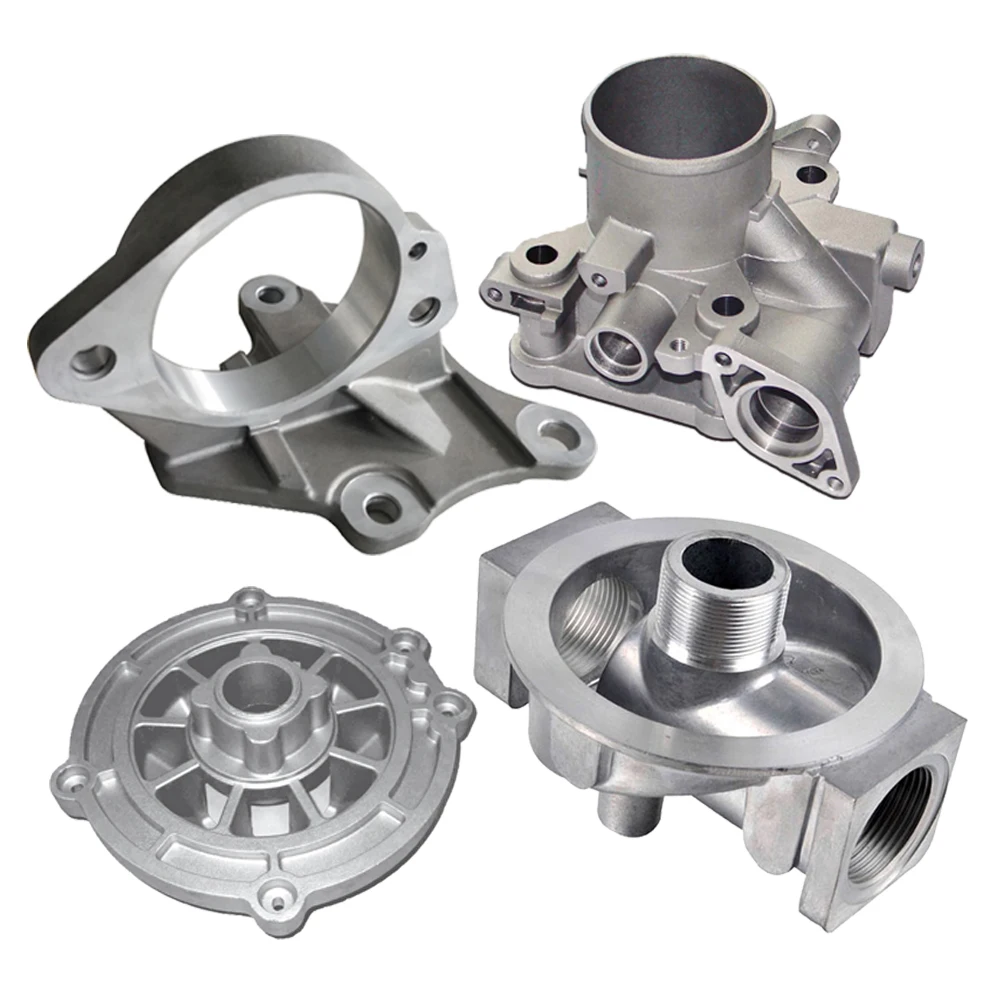
The Advantages of Light Weight Aluminum Casting
Although numerous casting approaches exist, aluminum casting stands apart as a result of its many benefits. One of the key benefits is its light-weight nature, which substantially reduces transportation prices and energy usage in applications. Aluminum likewise displays superb rust resistance, making it optimal for lasting elements in varied environments. The spreading process allows for complex designs, enabling suppliers to produce complicated shapes with high precision and very little waste. Furthermore, aluminum has premium thermal and electric conductivity, making it suitable for a series of commercial applications. The high strength-to-weight proportion improves the structural honesty of actors items, supplying longevity without the added mass. Aluminum casting can be adapted to numerous strategies, such as sand spreading or die casting, which broadens its applicability across sectors. Overall, these benefits setting aluminum casting as a preferred option in contemporary manufacturing, adding to efficiency and sustainability.Key Applications of Aluminum Casting
Light weight aluminum spreading discovers substantial applications across various industries because of its useful buildings. In the vehicle field, it is commonly utilized for producing engine blocks, transmission instances, and wheels, advertising light-weight designs that improve fuel performance. The aerospace sector also takes advantage of aluminum spreading, where components such as housings and braces are created to satisfy stringent weight and strength requirements.In addition, the electrical sector utilizes light weight aluminum spreading for producing real estates and heat sinks, which are vital for efficient thermal administration in electronic tools. aluminum casting. The building industry utilizes light weight aluminum spreadings for architectural aspects, window frames, and fixtures, contributing to both visual appeals and resilience
The customer items sector integrates aluminum casting in items like cookware and showing off tools, leveraging the product's strength and deterioration resistance. Generally, the versatility of light weight aluminum spreading makes it an essential procedure in conference diverse manufacturing needs throughout multiple areas.
The Refine of Light Weight Aluminum Casting
Casting light weight aluminum includes numerous well-defined actions that transform basic materials right into finished parts. The procedure starts with melting light weight aluminum in a furnace, reaching temperatures around 660 levels Celsius. When thawed, the liquid aluminum is poured into a mold and mildew, which takes the form of the desired part. Numerous mold and mildew kinds, including sand, permanent, and investment mold and mildews, are utilized relying on the application.
After putting, the aluminum strengthens and cools, creating a rough spreading. This spreading undergoes a collection of ending up procedures, such as machining, to achieve exact dimensions and surface area quality. Quality assurance actions are executed throughout to assure the integrity and strength of the final product. When all procedures are total, the finished aluminum parts are all set for numerous applications, showcasing the versatility and efficiency of light weight aluminum spreading in manufacturing methods. Each step is crucial in accomplishing high-grade results, making this process necessary in producing industries.
Developments in Aluminum Casting Innovation
Recent advancements in aluminum spreading modern technology have actually changed manufacturing procedures significantly. Innovations such as sophisticated spreading approaches, integration of smart manufacturing, and sustainability practices are reshaping the industry. These advancements not only improve effectiveness but additionally address environmental concerns, leading the way for a more lasting future in light weight aluminum spreading.Advanced Spreading Techniques
As manufacturers look for greater efficiency and sustainability in manufacturing, cutting-edge developments in light weight aluminum casting technology have actually arised to fulfill these needs. Advanced casting methods, such as die casting, financial investment spreading, and sand casting, have actually been refined to enhance precision and reduce waste. Pass away spreading permits for faster production rates and tighter tolerances, making it suitable for high-volume items. Investment casting, understood for its capability to produce complex geometries, makes it possible for complex styles with remarkable surface area finishes. On the other hand, sand casting remains preferred for its convenience and cost-effectiveness, specifically in low-volume applications. These methods not just improve the high quality of aluminum elements however also add to reduced power consumption, aligning with market objectives for sustainable methods in producing processes.Smart Manufacturing Integration
Just how can wise production integration change aluminum spreading modern technology? By integrating innovative innovations such as the Web of Things (IoT), expert system (AI), and data analytics, click here wise production boosts effectiveness and accuracy in aluminum casting procedures. Real-time surveillance of tools and production lines permits immediate changes, minimizing waste and downtime. Anticipating maintenance powered by AI lessens equipment failures, making certain consistent high quality. Furthermore, information analytics can enhance casting parameters and designs, bring about better material application and lowered cycle times. These developments help with smooth communication between operators and machines, promoting a much more agile manufacturing atmosphere. In general, wise production integration markedly elevates the capacities of aluminum casting, promoting better outcomes and even more receptive production techniques.Sustainability Advancements
While the light weight aluminum casting industry faces increasing stress to take on sustainable techniques, advancements are emerging that markedly lower its environmental influence. Advanced recycling techniques currently enable producers to use as much as 95% recycled light weight aluminum, substantially reducing power usage and waste generation. In enhancement, the combination of low-emission modern technologies, such as electrical melting heating systems, minimizes greenhouse gas discharges linked with conventional casting methods. In addition, the growth of environment-friendly finishes and binders changes hazardous chemicals, enhancing workplace safety and minimizing environmental air pollution. These technologies not only line up with worldwide sustainability objectives but additionally boost the total effectiveness and top quality of aluminum items. As the market develops, these advancements will certainly play an essential role in fostering a more sustainable future for aluminum casting.Contrasting Aluminum Casting With Various Other Methods
In comparing light weight aluminum spreading with other producing approaches, several critical variables emerge. Cost stamina, resilience and effectiveness, and style versatility act as vital metrics for evaluation (Aluminum Casting Company). Analyzing these elements can supply understandings right into the advantages and restrictions of light weight aluminum casting in different manufacturing contextsPrice Effectiveness Evaluation
Cost efficiency remains an extremely important factor to consider in manufacturing processes, especially when evaluating aluminum spreading versus alternate approaches. Aluminum spreading frequently provides a reduced initial financial investment contrasted to techniques such as steel building or machining, which call for even more elaborate and costly tools. In addition, light weight aluminum's light-weight nature can decrease transportation costs and energy consumption during production. The capability to produce complicated forms with marginal waste further enhances its cost-effectiveness, as less material is disposed of during the production procedure. Furthermore, light weight aluminum spreading normally enables quicker manufacturing cycles, bring about decreased labor expenses and faster turn-around times. To summarize, when contrasting cost performance, light weight aluminum casting often becomes a favorable choice, using makers financial advantages alongside top notch result.Stamina and Durability
Stamina and sturdiness are crucial factors when reviewing manufacturing techniques, particularly in the context of light weight aluminum spreading. Contrasted to various other techniques such as plastic shot molding and steel construction, light weight aluminum spreading offers unique advantages. The inherent properties of aluminum, incorporated with the casting procedure, lead to lightweight yet robust parts that can withstand considerable anxiety and environmental factors. Unlike plastics, which may deteriorate gradually, aluminum keeps its stability and performance under high temperatures and stress. Additionally, while steel parts can be much heavier and susceptible to deterioration, light weight aluminum stands up to rusting, boosting longevity. This combination of toughness and longevity makes light weight aluminum casting a recommended selection for industries requiring reliable efficiency sought after applications, such as auto and aerospace sectors.Design Flexibility Contrast
The Future of Light Weight Aluminum Casting in Manufacturing
Just how will developments in technology form the future of aluminum spreading in manufacturing? The combination of automation and expert system is anticipated to reinvent aluminum casting processes. These modern technologies can boost accuracy and performance, reducing waste and production costs. In addition, the introduction of 3D printing methods permits for quick prototyping and personalized designs, enabling manufacturers to respond promptly to market needs.Sustainability is additionally an essential focus, with advancements focused on reducing energy consumption and minimizing environmental effect. Methods such as die casting and financial investment casting are evolving to integrate recycled aluminum, advertising a round economic climate.
In addition, advancements in products scientific research may lead to the growth of lighter, more powerful aluminum alloys that might expand the applications of aluminum spreading throughout numerous sectors. On the whole, the future of aluminum casting in production will likely be characterized by enhanced adaptability, effectiveness, and sustainability, positioning it as an important component of contemporary production techniques.
Frequently Asked Questions
How Does Light Weight Aluminum Casting Effect Environmental Sustainability?
Aluminum spreading favorably influences environmental sustainability by advertising recycling, decreasing energy consumption compared to other metals, and decreasing waste. Its light-weight residential properties likewise cause reduce emissions during transportation, supporting greener practices in various sectors.What Are the Cost Ramifications of Light Weight Aluminum Spreading?
Aluminum spreading typically requires greater first costs because of product and handling expenses. Nonetheless, its longevity and lightweight residential properties can produce lasting financial savings by minimizing maintenance and transport expenses, ultimately balancing the economic implications for producers.Can Light Weight Aluminum Casting Be Recycled Effectively?
Light weight aluminum casting can be recycled successfully, as the product retains its homes throughout the reusing process. This enables the manufacturing of top notch elements while minimizing waste and minimizing power consumption connected with new aluminum manufacturing.What Security Measures Are Needed During Light Weight Aluminum Casting?
Precaution throughout light weight aluminum spreading consist of making use of individual protective equipment like safety glasses and handwear covers, making certain proper ventilation, preserving tools, and following methods for taking care of liquified metal to stop burns, breathing risks, and other possible crashes.
Just How Does Aluminum Spreading Affect Product Layout Flexibility?
Aluminum spreading boosts item layout flexibility by enabling complex shapes and lightweight frameworks. This technique allows designers to check out cutting-edge setups, leading to flexible applications throughout various sectors while preserving toughness and toughness in the end products.Aluminum casting can be adapted to different techniques, such as sand casting or pass away spreading, which broadens its applicability throughout industries. As soon as all procedures are total, the finished aluminum components are ready for different applications, showcasing the adaptability and effectiveness of aluminum spreading in production methods. As makers seek higher effectiveness and sustainability in production, innovative improvements in light weight aluminum spreading technology have emerged to satisfy these needs. Unlike plastic shot molding, which may require substantial tooling changes for design adjustments, aluminum spreading can fit alterations more quickly during the manufacturing cycle. Innovations in products science may lead to the advancement of lighter, more powerful aluminum alloys that might broaden the applications of aluminum spreading across different sectors.
Report this wiki page